
Leave A Message
If you are interested in our products and want to know more details,please leave a message here,we will reply you as soon as we can.

Our Environmental Philosophy
Runfang commitment to better innovation and better packaging extends far beyond our clients-it includes our planet.
We believe that responsible manufacturing is not just a trend, but a core responsibility.
We are dedicated to supporting and implementing burgeoning practices that are less harmful to the environment, ensuring. we can deliver on our promise to both our customers and our world.
Our sustainable material options
We offer 3 main eco options for plastic tubes and bottles: PCR recycled plastic, calcium carbonate or straw fiber filled PE/PP, andsugarcane bio-based PE.
Full-plastic PE tubes (with EVOH barrier) are preferred over aluminum composite tubes for better recyclability and EU EPR compliance.
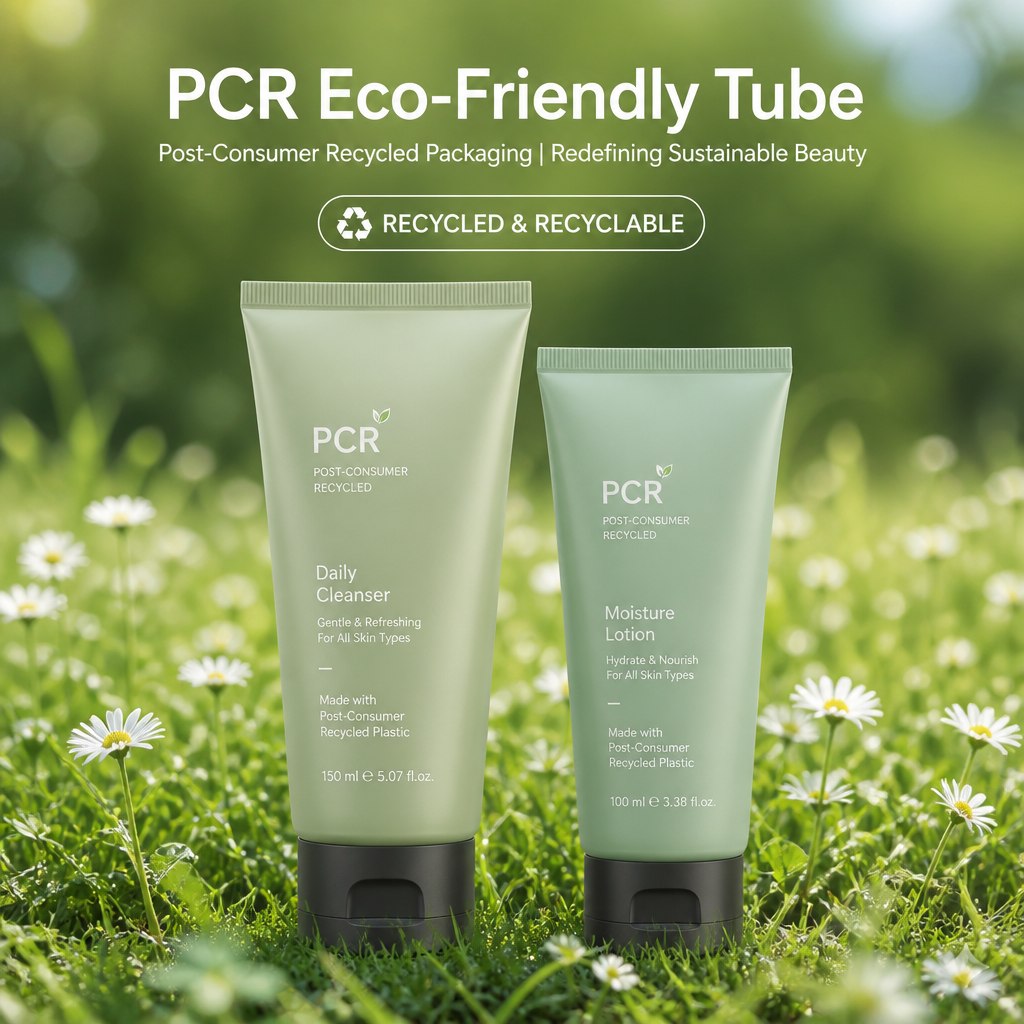
PCR (Post-Consumer Recycled Plastic)
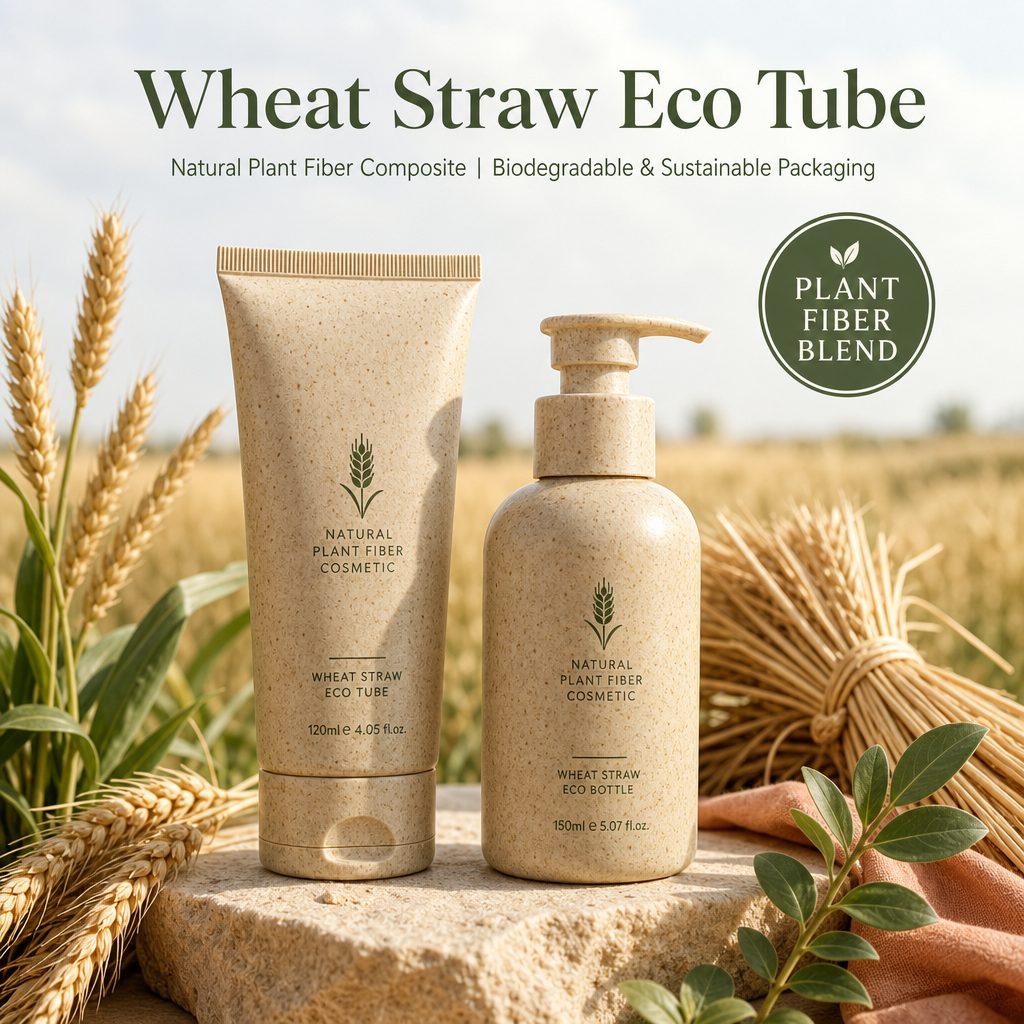
Filled/Modified Plastics (PE/PP filled with calcium carbonate or straw fiber)
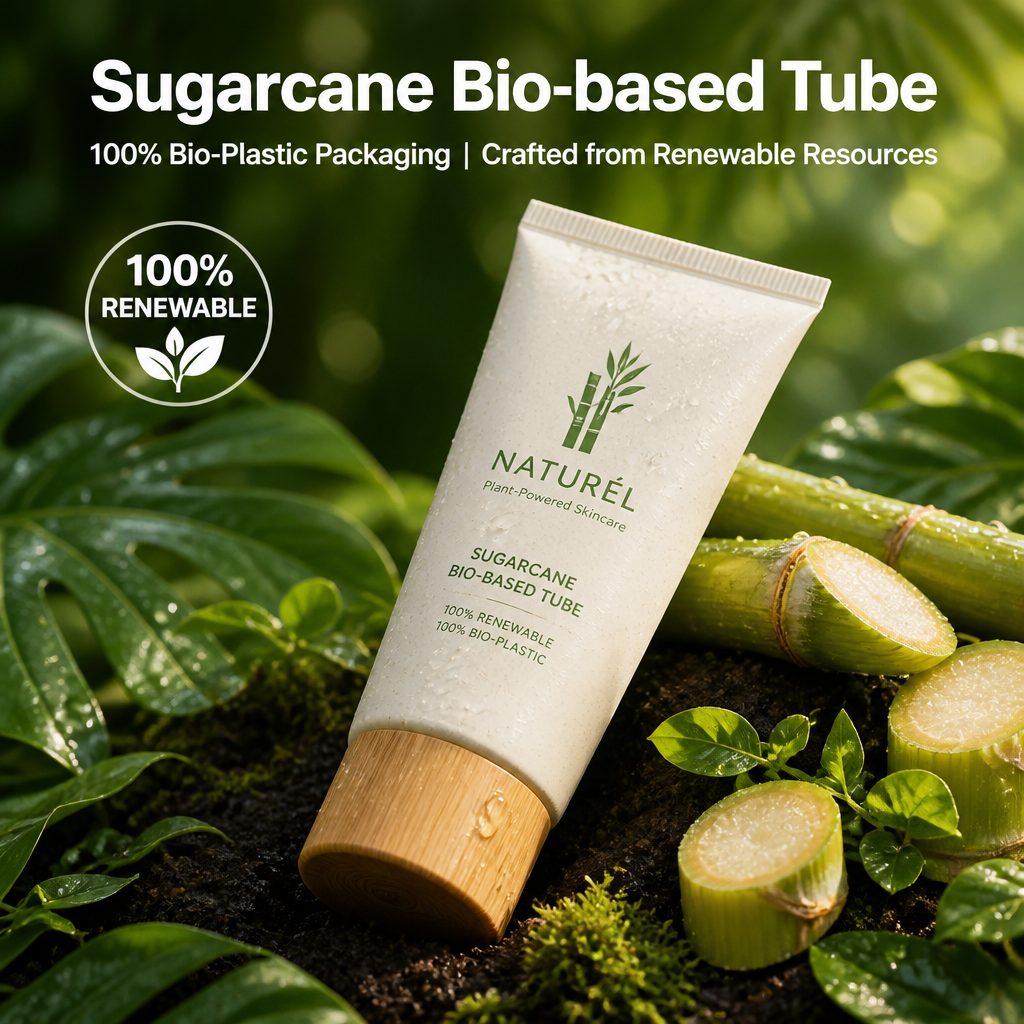
Bio-based plastic (sugarcane PE)
PCR vs. Sugarcane vs. Straw: A Side-by-Side Comparison.Three Eco-Materials, Three Trade-offs
| Material | What it is | How much | Best for | Cost | Why it's good | Watch out |
| PCR | Recycled plastic from used bottles and packaging | Usually 30–70%; some tubes already use 60% | Tube bodies, bottles, caps | Ask for a quote — market-driven | Proven, stable supply, and gives you a real number to claim | Darker colour; smell and batch consistency need care |
| Straw | Straw fibre mixed into PP/PE plastic | Depends on how much straw is added | Caps, tubes,boxes, trays only | Can save money | Renewable farm by-product, natural wood-like look | Not biodegradable; thin walls are harder to mould |
| Sugarcane | Plant-based PE made from sugarcane — works like normal PE | High bio-based share (depends on grade) | Tube bodies, HDPE bottles, caps | Usually a bit higher than PCR | Runs on the same machines, cleaner colour, recyclable, strong carbon story | Not biodegradable; price and supply can move |
Sustainable options for cosmetic tubes and bottles
lightweighting as the base, mono-material for the structure, and eco-materials for the formulation — combined, they form a complete eco-packaging proposal.
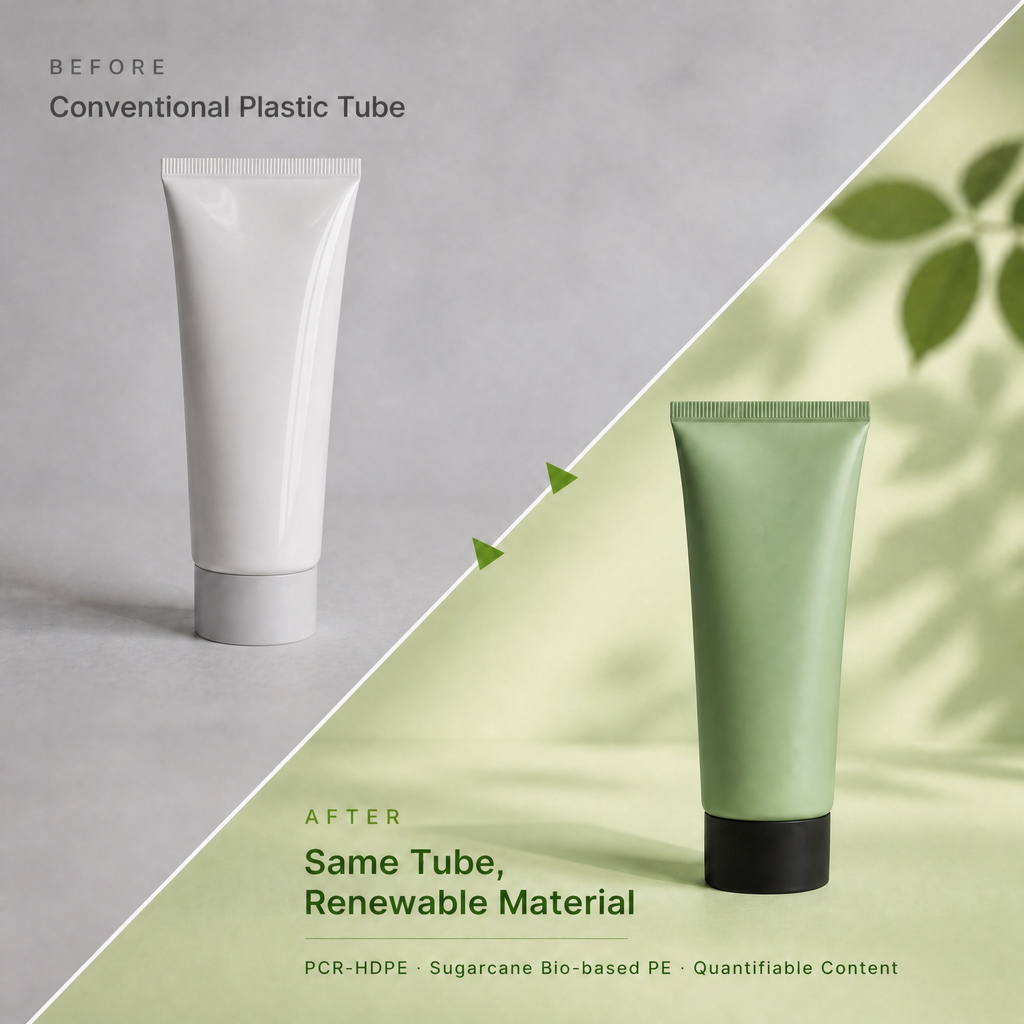
Scheme 1: Eco-material substitution
The characteristic is that nothing changes in structure or appearance — only the formulation — with the tube body in PCR-HDPE or sugarcane-based bio-based PE, the bottle body in rPET, and straw-fibre filled compounds for components such as caps and outer cartons.
The advantage is that it is the fastest to implement and requires almost no modification to the production line (bio-based drop-in grades run on existing lines), and it is the only one of the three that gives you exact percentages — recycled content and bio-based content are quantifiable numbers, which best satisfies brand and platform requirements. The trade-offs are darker colour and the need to control odour and batch consistency; the content level you can actually achieve has to be confirmed by trial production.
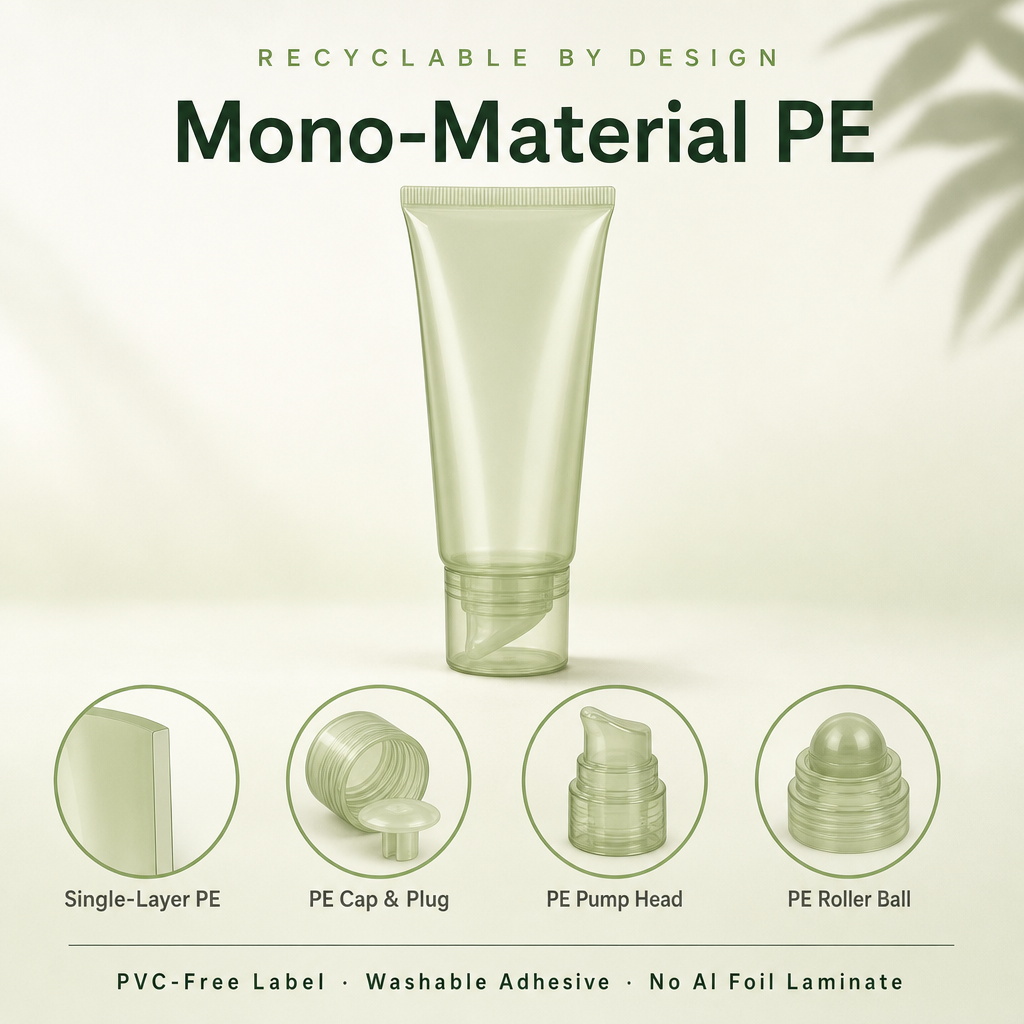
Scheme 2: All-plastic mono-material PE
The characteristic is that the material source stays the same while the structure changes — removing the aluminium barrier layer from the tube and converting it to single-layer PE, bringing the cap, orifice, pump and roller ball into the PE family, switching labels to PVC-free and adhesives to wash-off grades.
The advantage is that it determines whether the pack can actually enter the recycling stream: it is the only scheme that can support a "recyclable" claim, and it gets ahead of the EU requirement that all packaging be designed for recycling by 2030. The trade-offs are reduced barrier performance and a direct conflict with the light-protection selling point you have consistently emphasised; content compatibility and shelf-life testing cannot be skipped.
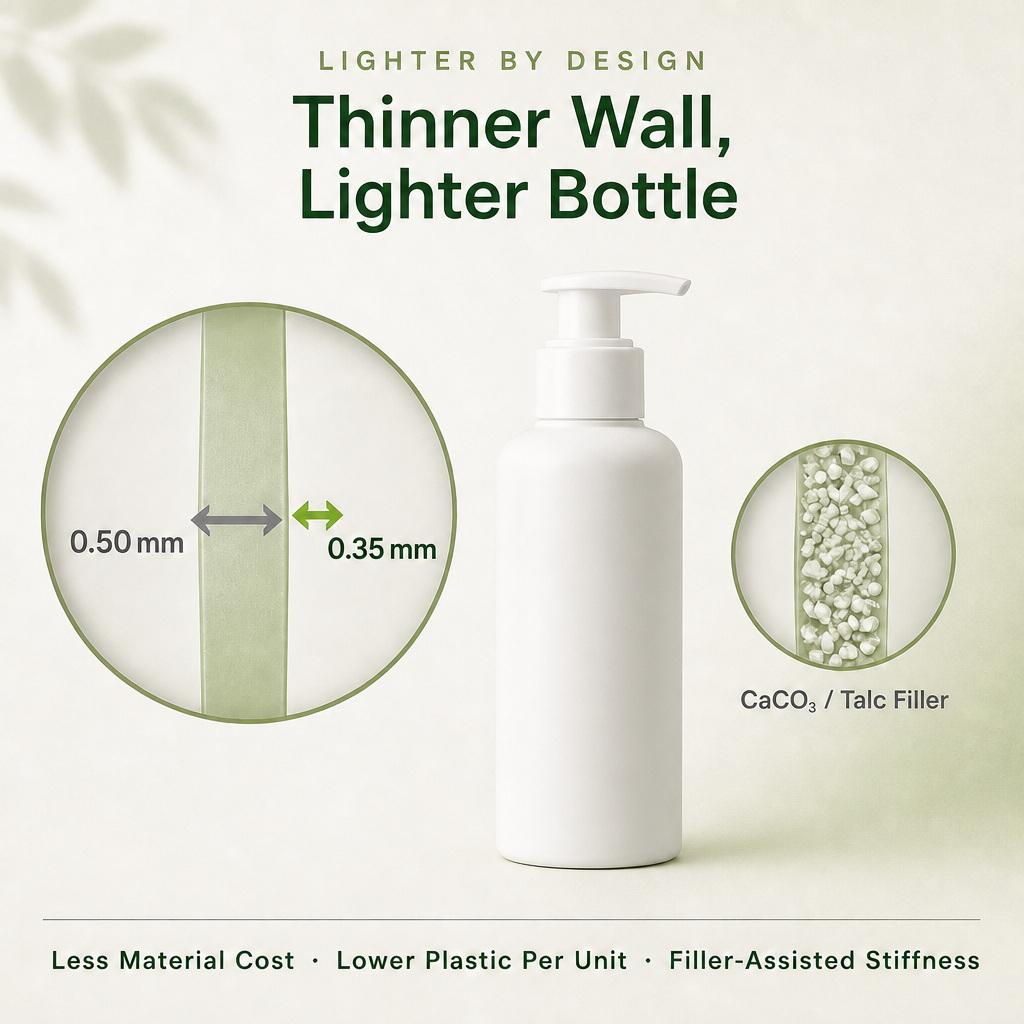
Scheme 3: Lightweighting
The characteristic is reducing the tube wall from 0.50 mm to 0.35 mm, trimming sheet thickness and bottle weight, and where necessary adding calcium carbonate or talc filler to restore stiffness so the reduction remains feasible.
The advantage is that it is the only one of the three that directly reduces cost — less material means less money — and the percentage reduction in plastic per unit is very easy for a customer to grasp. The trade-offs are lower stiffness, recovery and compression strength; filling tests and transport drop tests are essential before any claim is made.
Drop us a line about your pack and we will take it from there.
↓

 English
 Français
 Español